When coolant leaks out faster than you realize, things can go wrong in a hurry. At first you might just see a warning light, then the temperature needle climbs, and if you keep driving, the engine can overheat badly enough to cause permanent damage.
Many engines that “suddenly” fail after an overheat were actually pushed too far with no coolant in them at all.
What Coolant Does For Your Engine
Coolant circulates through the engine block, cylinder head, heater core, and radiator, carrying heat away from the areas that run hottest. It is mixed with water so it can transfer heat, resist freezing, raise the boiling point, and protect metal from corrosion. The water pump keeps it moving, and the thermostat helps the engine warm up, then holds it in a safe temperature range.
Without coolant, metal parts get far hotter than they were designed to be. Aluminum heads, plastic housings, gaskets, and seals all rely on that steady flow of coolant to stay stable. When that flow stops, temperatures spike in a matter of minutes, not hours.
Running Low vs Completely Out of Coolant
A system that is a little low on coolant may still move enough fluid to keep temperatures stable most of the time. You might only see the gauge climb on long hills, in slow traffic, or with the A/C on. That is still a problem, but you usually have some time to investigate before anything catastrophic happens.
Running completely out of coolant is different. Once the reservoir and radiator are effectively empty, the water pump has nothing useful to move. Hot spots form quickly around the combustion chambers and exhaust valves. At that point, every extra minute of driving increases the risk of warped heads, blown head gaskets, or a seized engine.
What You Will Notice When Coolant Runs Dry
Your vehicle usually gives you several strong hints when coolant is gone or almost gone. Common signs include:
- A temperature gauge that shoots toward the red very quickly
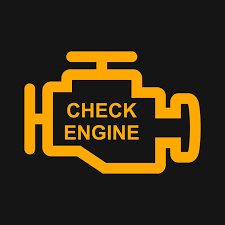
- A red or flashing temperature warning light on the dash
- Steam or an acrid hot smell from under the hood
- The heater is suddenly blowing cold air, even with the fan and temperature set high
If you reach the point where the engine starts to lose power, knock, or stall while the gauge is hot, the situation is already serious. That is not the time to “see if it will make it home.”
Damage That Can Happen In Just A Few Minutes
Engines are built with tight tolerances, and heat is their enemy. With no coolant, metal parts expand much more than they should. Cylinder heads can warp, head gaskets can fail, pistons can scuff the cylinder walls, and plastic intake or coolant fittings can crack. In the worst cases, engines seize and will not turn over again.
We often see vehicles towed in after an overheat, where the original problem was a simple hose or water pump leak. The real expense comes from driving too far once the coolant is gone. A repair that might have been a few hundred dollars turns into major engine work or replacement when the engine has been cooked.
What To Do If The Temperature Gauge Spikes
If you see the temperature gauge climbing quickly, or a red coolant warning light comes on, treat that as an immediate alert. As soon as it is safe, pull over, park, and shut the engine off. Do not try to “nurse it” a few more miles. Let the engine cool completely before you open the hood for a closer look.
Avoid opening the radiator cap on a hot engine, since pressurized steam and coolant can cause serious burns. If you see a clear external leak once things cool down, adding coolant or water just to move the vehicle a very short distance to a safe spot is sometimes possible, but it should not be driven as if nothing happened. When in doubt, a tow is cheaper than an engine.
Common Reasons Coolant Disappears So Quickly
Coolant can be lost slowly over weeks or it can vanish in a few minutes, depending on what fails. Fast loss often comes from:
- A burst upper or lower radiator hose
- A failed plastic radiator tank or cracked radiator core
- A water pump that has come apart or developed a large leak at its weep hole
- A broken heater hose or fitting that dumps coolant under the vehicle
Internal failures, like a blown head gasket, can also send coolant into the cylinders or oil. In those cases, you may not see a big puddle underneath, but the level drops rapidly, and the engine overheats anyway. That kind of problem should always be diagnosed professionally, since it affects the health of the entire engine.
Get Coolant Loss and Overheating Help in Fremont, Campbell, and San Ramon, CA with Driven Auto Care
If your coolant light has come on, the temperature gauge has spiked, or you have already had a scare with steam from under the hood, getting the cooling system checked now can save your engine. We can pressure test for leaks, inspect hoses, pumps, radiators, and gaskets, and let you know exactly what failed before it causes more damage.
Schedule coolant loss and overheating diagnosis in Fremont, Campbell, and San Ramon, CA with
Driven Auto Care, and we will help keep your engine out of the red.